
Contractors, facility managers and industrial project teams ask us the most about 5 categories of heavy lifts: HVAC equipment, structural steel, generators and transformers, industrial machinery, and tanks or vessels.
Choosing the right crane for these kinds of commercial/industrial lifts is more than knowing how many tons a crane can lift.
You might already know that a crane’s rated capacity changes with boom length, lifting radius, counterweight configuration, ground conditions and other factors. But knowing the numbers in the context of the work and environmental conditions of a project is crucial.
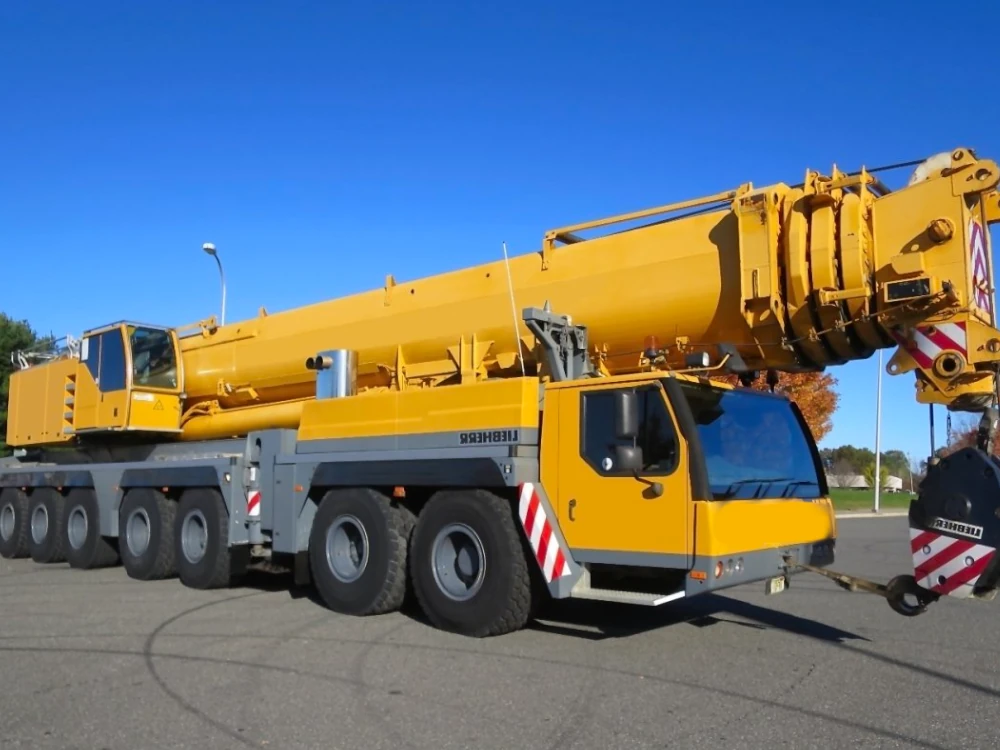
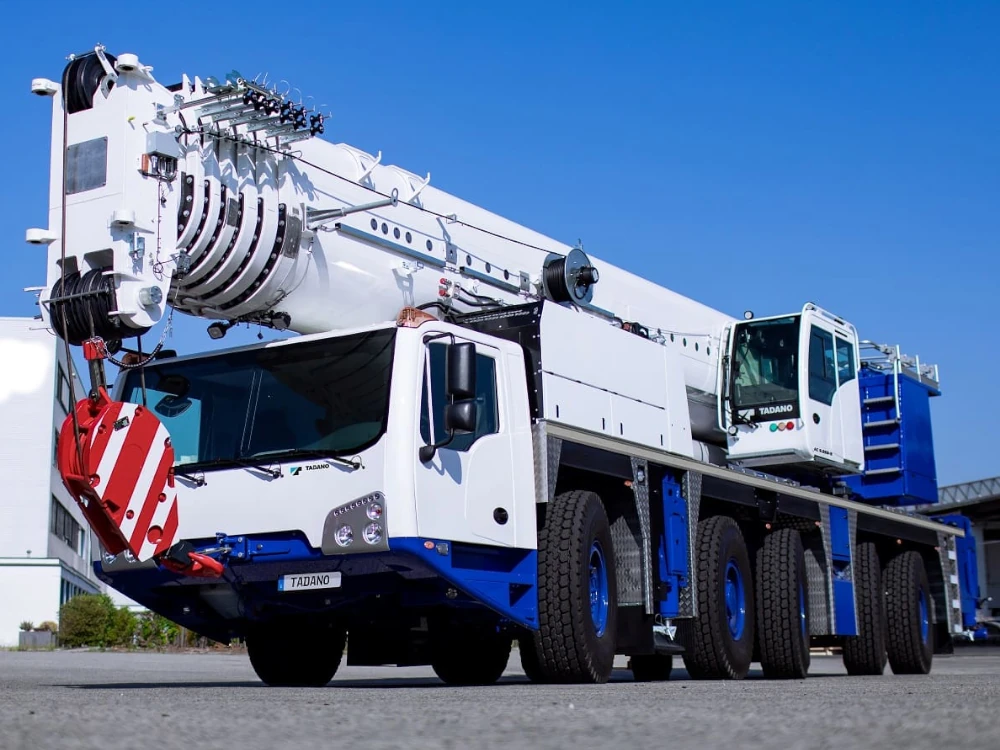
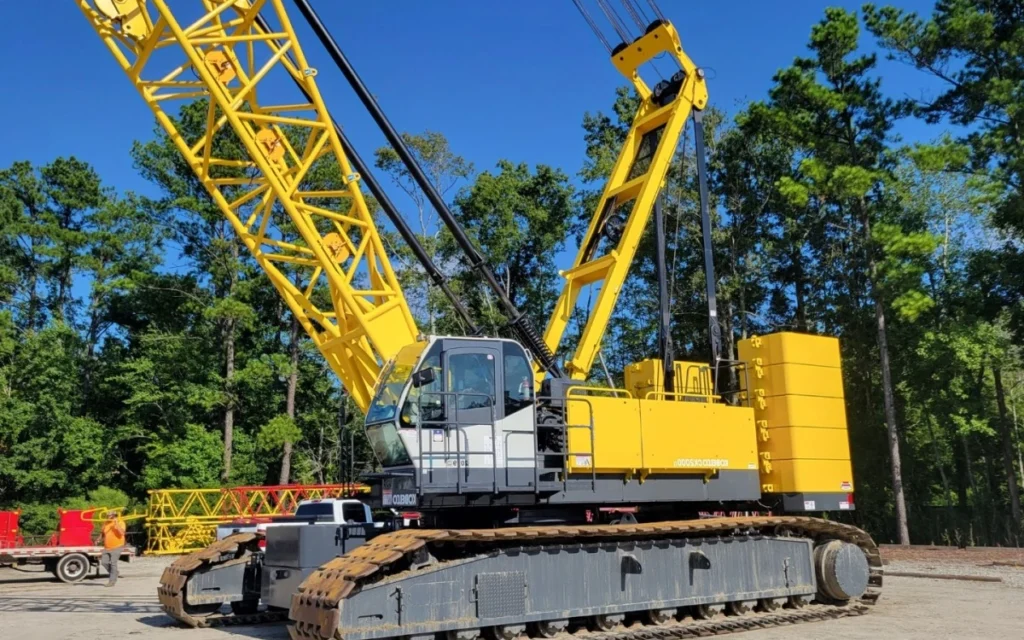
Consolidated Crane & Rigging brings the experience and know-how to help customers select and operate the right crane for demanding commercial and industrial lifts. From rooftop HVAC installations and structural steel to generators, transformers, machinery and large industrial vessels, our team understands that successful crane work begins long before the boom goes up. We evaluate the lift requirements, site conditions and equipment configuration to help put the right crane on the job and execute the lift safely and efficiently.
Rooftop HVAC and Mechanical Equipment
Large rooftop units, chillers, air handlers, and other mechanical equipment are common commercial crane lifts. The challenge is not just the equipment’s weight, but also moving it over the building and positioning it precisely. We begin by calculating the total lifted weight, including rigging and accessories, then determine the horizontal distance from the crane’s center of rotation to the placement point (lifting radius), which can significantly affect required crane capacity.
A relatively light HVAC unit on a low building with ample setup space may only require a truck crane or boom truck. Heavier equipment, taller buildings, or greater lifting radii may require a larger hydraulic mobile crane. The crane should be selected based on its capacity at the actual working radius, not its maximum advertised capacity.
Structural Steel & Building Components
Structural steel erection presents a different challenge because cranes may make dozens or hundreds of picks involving beams, columns, trusses, and other components that vary in weight and placement. We identify the heaviest planned pick and the farthest required reach, then select a crane capable of handling that critical combination while maintaining an appropriate operating margin.
Site access is also important. When we work from a roadway or compact construction site, the crane’s footprint, outrigger requirements, and ability to reposition can influence the choice. On larger projects, it may be more practical to select a crane that efficiently handles most planned picks rather than basing the decision solely on the heaviest piece.
Generators, Transformers & Electrical Equipment
Generators and transformers are particularly demanding because they can be extremely heavy, compact and expensive. A failed lift or uncontrolled movement can result in significant equipment damage and project delays.
For these lifts, we obtain an accurate shipping or rigging weight, rather than relying on a general equipment specification. Then determine the pick point, final set point and maximum radius.
A transformer weighing 80,000 pounds, for example, may require dramatically different crane capacity depending on whether it is being set 30 feet from the crane or 80 feet away. Our lift plans account for rigging weight, boom configuration, ground-bearing capacity and the path the load will travel.
Industrial Machinery and Process Equipment
Manufacturing plants and industrial facilities often require cranes to install presses, compressors, pumps, motors, boilers, and other machinery. These projects can be complex when access to the equipment’s final location is limited. Our pros identify the heaviest and most difficult pick, then determine the required radius, vertical clearance, and boom length.
Indoor or congested environments may include pipe racks, electrical lines, operating equipment, existing structures, and restricted access that affect crane selection. The crane with the highest lifting capacity is not always the most practical choice… its configuration and maneuverability may be just as important!
Tanks, Vessels and Large Industrial Components
Large tanks, pressure vessels, silos and similar components combine substantial weight with significant dimensions. Their size can affect wind exposure, rigging configuration, transportation and the crane’s ability to maintain capacity throughout the lift.
For these projects, we determine the weight, dimensions, center of gravity, pick points and final placement location before helping you select equipment. A large vessel may require a crane capable of substantially more than the vessel’s actual weight because of the operating radius or rigging arrangement.
Complex vessel lifts may also require a detailed engineered lift plan, particularly when multiple cranes, restricted access or unusually high loads are involved.
Let Experience Do the Heavy Lifting

Regardless of the type of lift, your goal shouldn’t be to rent the biggest crane available. Crane selection begins with accurate project information: load weight, dimensions, pick and set locations, maximum radius, required lift height, site access, ground conditions and timelines.
Consolidated Crane & Rigging knows how to manage heavy lifts from start to finish.
We work with you to select the right crane and configuration for the actual lift. Oversizing can increase mobilization and operating costs, while undersizing can make a lift impossible or require expensive changes once equipment arrives. Our professionals understand that schedules are tight, and our experience allows us to provide clear timelines and contingencies to avoid unexpected delays.